session 2:
Defining prayer
burst of inspiration
A few months after Oct 7th, a number of Olami students had the opportunity to spend Shabbat in Yad Binyamin, a small town in Israel.
While they were there, a soldier who was studying in Yeshiva got up to share a personal story that had transpired just days earlier.
Here is the story in his own words:
“A few nights ago, our battalion commander approached me with something unexpected.
‘You’re dati, right? Religious?’ he asked.
I nodded.
I was stunned. This particular commander is a totally secular Jew from Tel Aviv. This may sound surprising, but he is completely assimilated.
But then he looked me in the eye and said,
‘Listen carefully. The only thing that can help us now is tefillot—prayers. We have five armored vehicles stuck deep in enemy territory in Gaza. We’ve tried everything, but they won’t start. If they don’t move soon, we’re facing a catastrophe—on a massive scale.
Please… pray.’
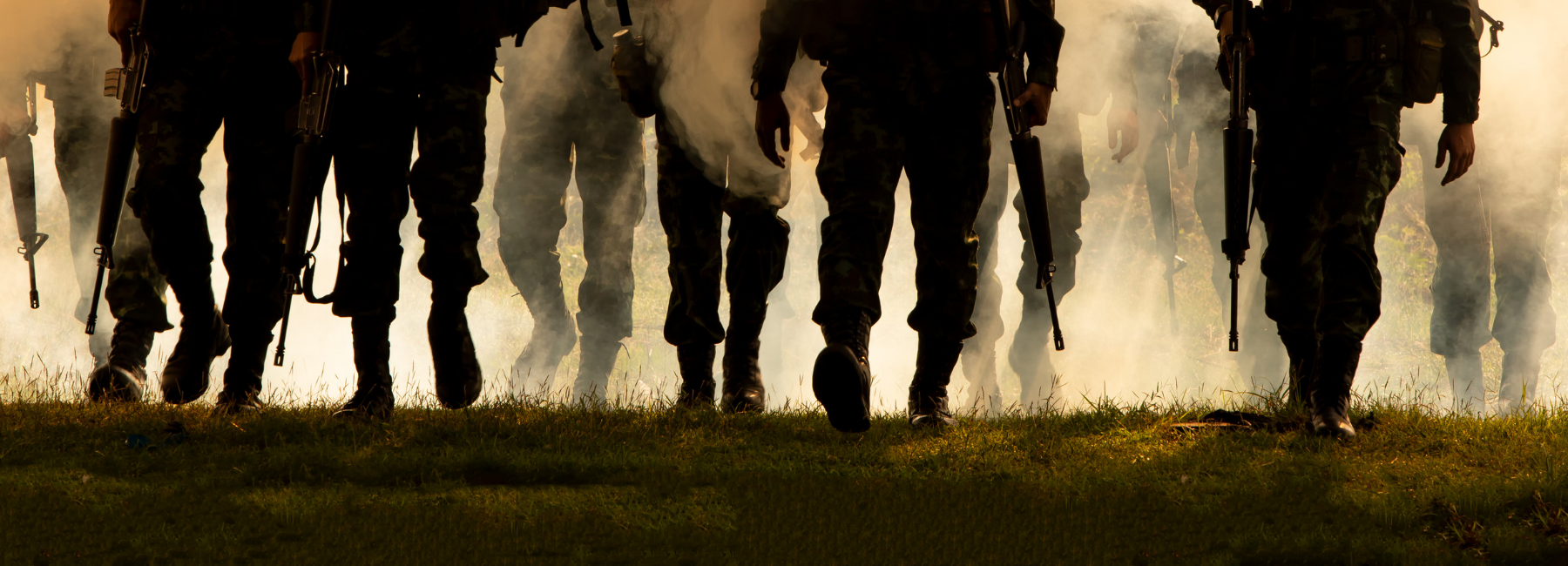
Honestly, it took me a few moments to get a hold of myself and to focus. But eventually, I found a relatively quiet place. I turned to The Almighty and began to pray.
I said, ‘Master Of the Universe, these soldiers are Your children. This commander—he’s Your child too. They’re turning to You. He is turning to You. Please, help us.’
I poured my heart into that prayer—fifteen minutes of tefillah/prayer with everything I had.
When I returned, hoping that the Almighty had heard me, the commander came running.
‘You have no idea what just happened!’ he exclaimed.
‘Minutes after you started praying, the first armored vehicle sputtered to life. Then another. And then another. You’re not going to believe it—but all five are up and moving!’
He grabbed my shoulders and said,
In this series
reflection
KEY DEFINITIONS
There are so many different moving parts when approaching the concept of prayer—from the different types of prayer to the many words that describe the prayer and synagogue experience. It’s worthwhile to begin by defining a number of key terms and phrases to familiarize ourselves with the scope of prayer.
Let’s jump right in!
Tefillah 1 –
Prayer (Hebrew)
Davening 2 –
Yiddish word for prayer
Shacharis –
Morning prayers
Mincha –
Afternoon prayers
Maariv –
Nighttime prayers
Musaf –
Special prayer added on holidays
Neilah –
A once-a-year prayer recited as the sun sets on Yom Kippur
Laining / Kriat HaTorah 3
The act of reading from the Torah scroll
Yizkor –
Memorial service recited on festivals
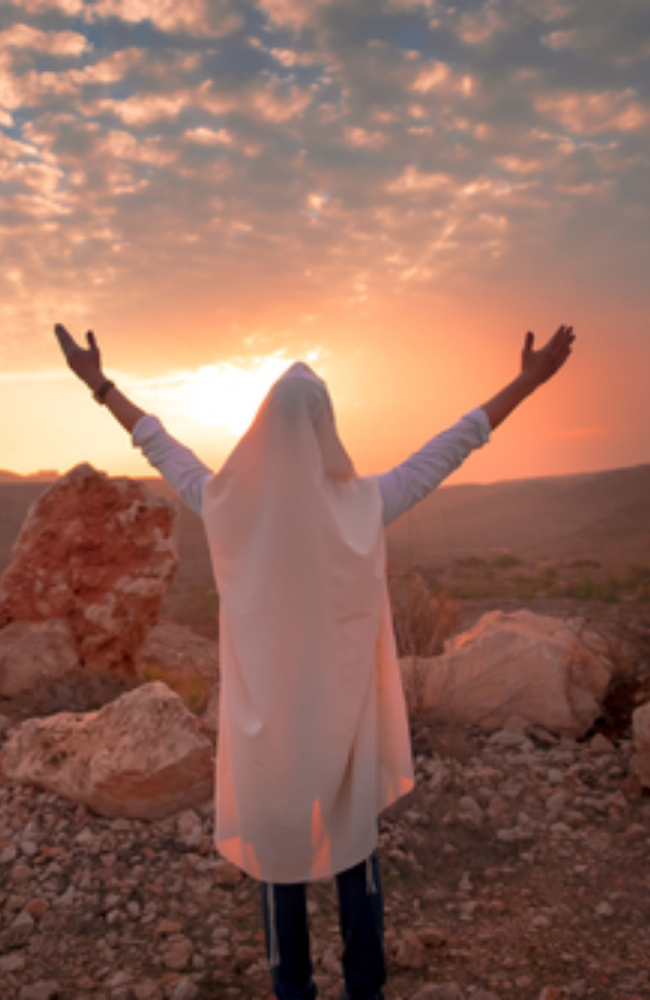
Siddur 4 –
Hebrew for a prayer book, which contains all the texts that were established as the formal prayer
Machzor –
A special prayer book for holidays
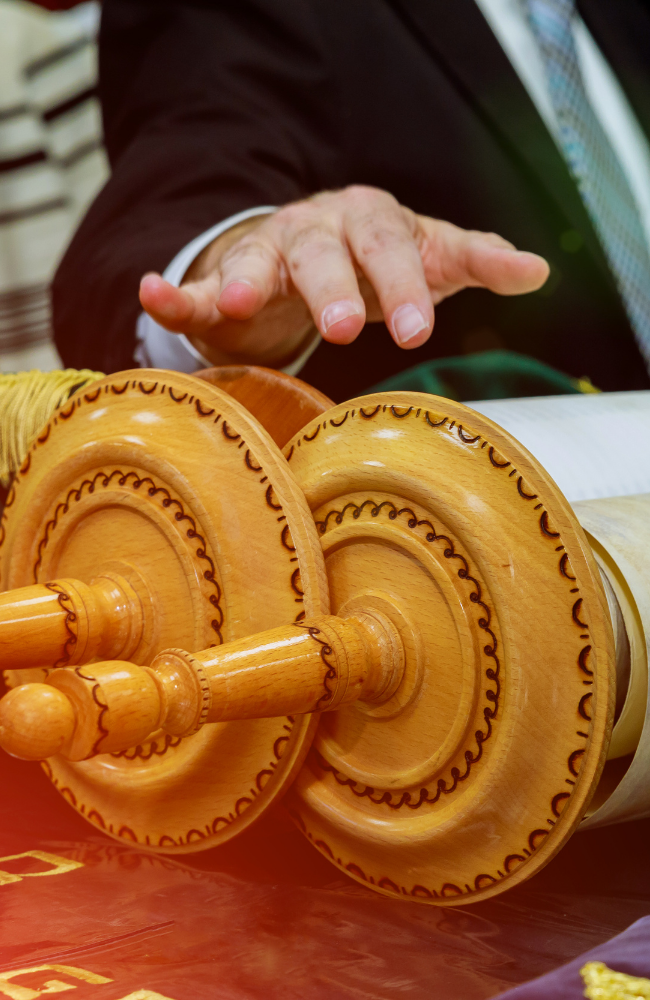
Sefer Torah –
A handwritten Torah scroll, which is read in synagogue on Mondays, Thursdays, Shabbat, fast days, and holidays
Shtender 5 –
A lectern (often used to prop up one’s siddur)
Chumash –
A book containing the Five Books of Moses, used to follow along
as the Torah is read
Tehillim –
A book of Psalms authored by King David, often recited in times of need, often found in the back of the siddur.
Tallit –
Prayer shawl
Tefillin –
Phylacteries: square black boxes worn on the arm and head, containing the Shema and other Torah selections written on small parchment scrolls.
C. Prayer-Related words
Kavannah –
Focus and concentration during prayer
Shuckel 6 –
The motion of swaying to and fro while praying
Shemoneh Esrei 7 –
The silent devotion and centerpiece of every service
Kaddish –
A special responsive prayer sanctifying the Almighty’s name, recited throughout the service and as a memorial prayer for the departed
Aliyah –
Being called up to recite a blessing over the Torah reading
Duchening / Birkat Kohanim –
A special blessing recited on holidays by the Kohanim (priests) to bless the congregation
D. synagogue-Related words
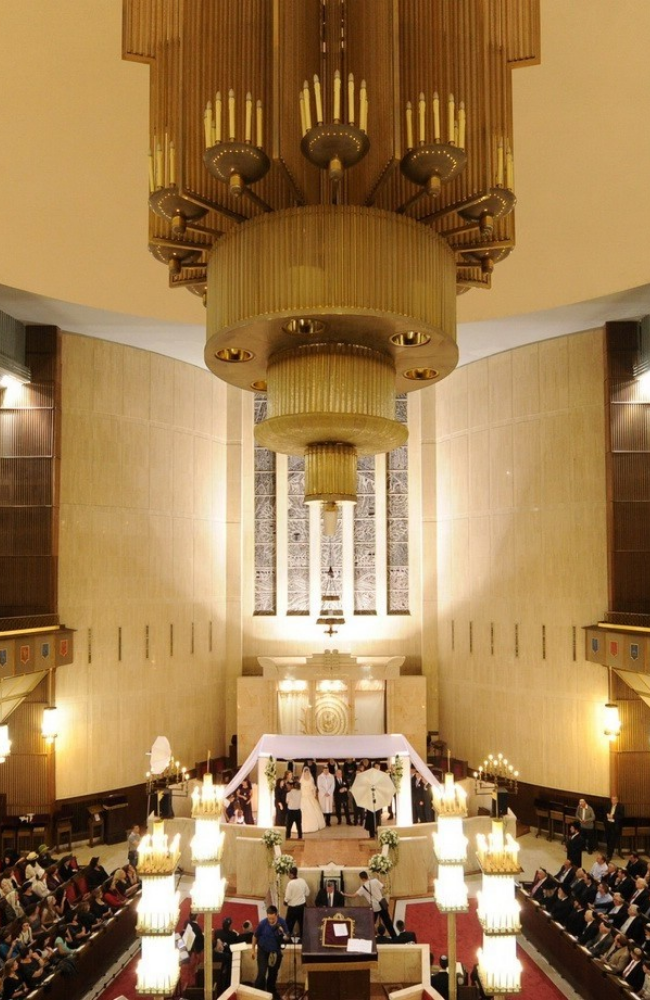
Shul 8 / Beit Knesset –
Synagogue
Mizrach 9 –
Literally “east,” usually referring to the front wall of the synagogue, which faces east toward Jerusalem
Aron Kodesh –
The ark (Torah cabinet)
Bima –
Torah reading platform
Ner Tamid 10 –
The eternal light that remains constantly lit, usually at the front of the synagogue
Minyan –
A quorum of 10 men required to begin formal communal prayer
Chazzan –
The person leading the prayer service
Gabbay –
The individual responsible for assigning honors and managing the flow of the service
“שתיקה יפה בשעת התפילה” (Shtikah yafeh b’sha’at ha’tefillah) –
“Silence is beautiful during prayer” – A phrase commonly posted in synagogues, reminding congregants to refrain from conversation and focus on communicating with the Almighty
Where and How Do We Pray?
Wherever you are in the world, Jewish prayer is oriented toward a shared spiritual center: the Temple Mount in Jerusalem. While many synagogues traditionally face east, depending on your location, facing Jerusalem may mean turning in another direction—north, south, or west. The key is the intention to connect with a common holy place.
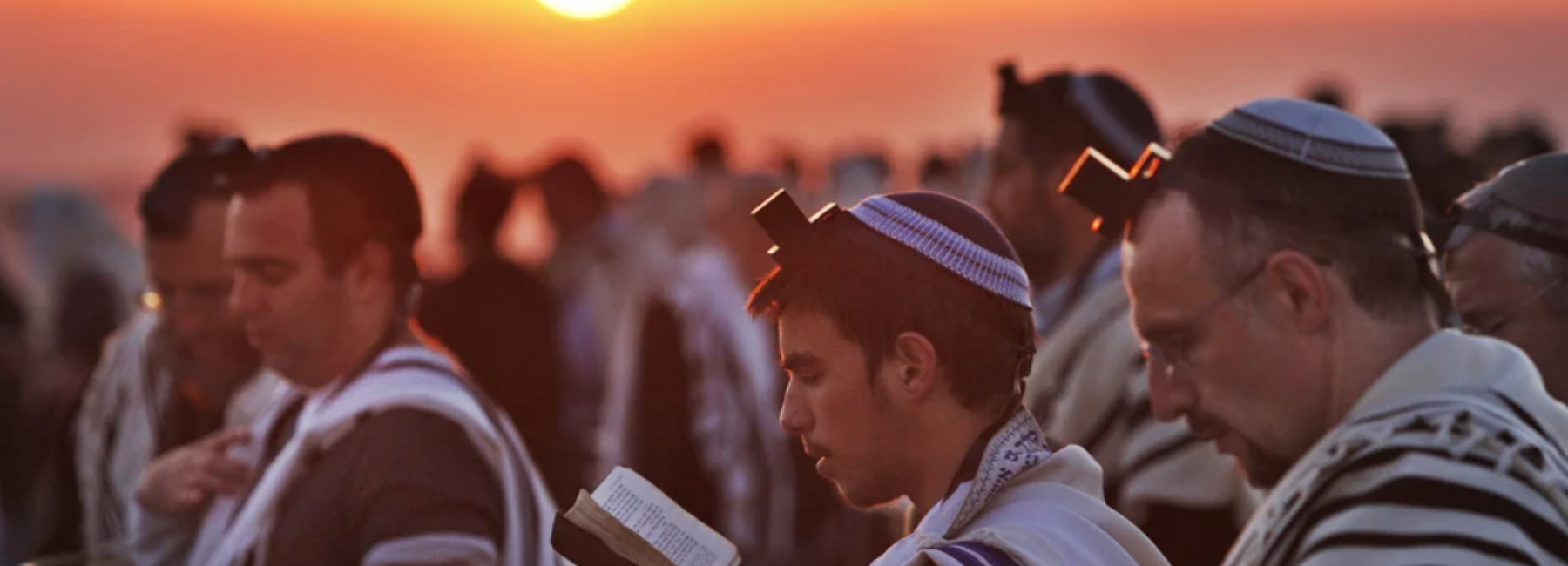
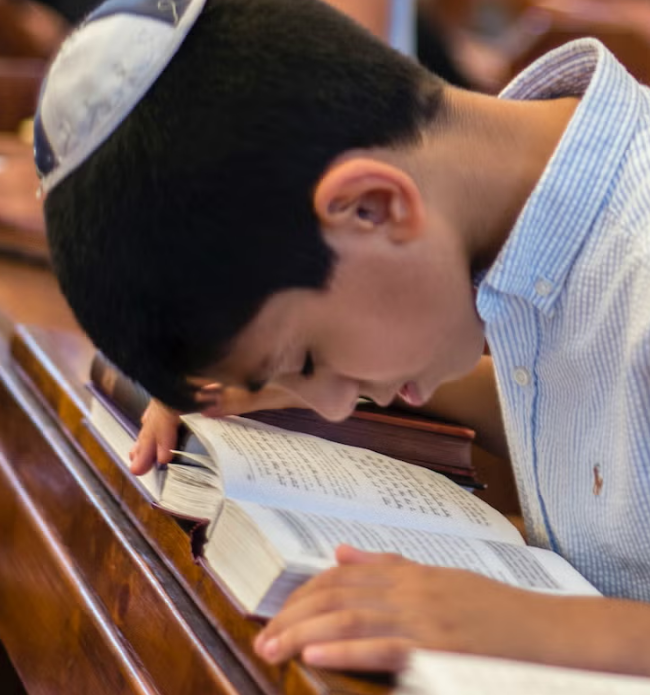
- Head & Eyes: Lower your head slightly and look downward in humility, as if standing before greatness. The Sages encourage imagining yourself in the Temple in Jerusalem, while directing your heart upward toward the Divine.
- Eyes Open or Closed? According to Kabbalistic tradition, praying with eyes closed can deepen focus. However, for most people, following along in a siddur (prayer book) is the best way to stay present and avoid distraction.
- Hands: Rambam suggests placing your hands over your heart, right over left, like a servant before their master. Others fold their arms or place hands behind the back. Today, it’s common to stand with hands at your sides or gently resting on a shtender (lectern). Avoid hands in pockets or on hips, which can appear casual or irreverent.
- The custom of shuckling—gently swaying back and forth—is encouraged by the Rema, as it can create rhythm and focus.
- The Shlah HaKadosh discourages swaying during the Amidah, emphasizing stillness as a way to cultivate deep presence and respect.
The bottom line:
Choose the practice that helps you connect with intention and authenticity.
Showing up for prayer
prayer is personal
1 The word tefillah comes from the root פ־ל־ל P-L-L, meaning “to judge or reflect,” indicating that prayer is an act of inner reflection and self-evaluation before God.
2 The word davening likely comes from the Latin divinus (meaning “divine”) or the Aramaic d’avinun (“we pray”), reflecting the act of prayer in Yiddish-speaking Jewish tradition.
3 Laining comes from the Yiddish word laynen, derived from German lesen (“to read”), and refers to the public reading of the Torah in synagogue.
4 The word siddur comes from the root ס־ד־ר S-D-R, meaning “order,” because the siddur organizes the prayers in a set, structured sequence for daily and holiday use.
5 Shtender; a Yiddish word comes from the German Ständer, meaning “stand,” and refers to the personal lectern used for prayer or Torah study.
6 There are a number of theories as to why many people almost instinctively sway as they pray.
- Jews shuckle during prayer to deepen concentration and spiritual intensity, a centuries-old tradition possibly inspired by Psalm 35:10 (“All my bones shall say: ‘God, who is like You?’”) and by the natural rhythm of engaged, heartfelt devotion.
- Like a flame, the Jewish soul is never still—constantly flickering and striving to rise closer to its Divine source.
- The swaying in prayer can symbolize the Jew’s dance between love and awe—advancing toward closeness with God, then retreating in reverence—capturing the dynamic tension at the heart of spiritual connection.
7 The prayer is called Shemoneh Esrei, Hebrew for “eighteen”—because it originally contained 18 blessings, and the name remained even after a 19th was added later in history.
8 The Yiddish word “shul” (שול) for synagogue comes from the German word Schule, meaning “school”. This reflects a deep cultural and historical truth about Jewish life: the synagogue has never been just a place of prayer—it’s also a place of learning.
9 Note: Depending on your geographic location, you may face a direction other than east, as the goal is to face toward Jerusalem during prayer.
10 The Ner Tamid in synagogues is inspired by the Torah’s command in Exodus 27:20–21 to keep a lamp burning continually in the Mishkan/Tabernacle, symbolizing God’s eternal presence and the enduring light of the Jewish people.